How Far In Advance To Book An Antelope Canyon Tour From Phoenix
Antelope Canyon is guided-only, and the best time slots go first. Here is how far ahead you actually need to book, by season and by which canyon you want.
Short answer
Book Upper Antelope Canyon light-beam tours 4 to 6 weeks ahead, or 3 to 6 months ahead in summer. Lower Antelope Canyon is more flexible, with 1 to 3 weeks usually enough. Navajo permit fees of $15 per person apply on top of every tour price.
Antelope Canyon sits on Navajo Nation land near Page, Arizona, roughly 275 miles and four and a half to five hours north of Phoenix, and it cannot be entered without an authorized Navajo-guided tour. That single rule is why the booking question matters more here than almost anywhere else in the Southwest: every visitor must hold a seat on a permitted tour, the number of permitted guides is finite, and the famous midday light beams in Upper Antelope Canyon draw travelers from around the world to a narrow slot that holds only so many people per hour.
The practical answer is that lead time depends on which canyon you want and when you go. Upper Antelope Canyon's light-beam slots, the ones photographers chase between late March and early October, often book out four to six weeks in advance, and in peak summer the window stretches to three to six months. Lower Antelope Canyon is considerably more forgiving, with one to three weeks usually enough to secure a seat. This guide walks through the real numbers, the fees that sit on top of the tour price, and how the monsoon season can scramble even a well-planned booking.
How Far In Advance Should You Book?
Book Upper Antelope Canyon four to six weeks ahead for most of the year, and three to six months ahead if you want a summer light-beam slot. Lower Antelope Canyon usually needs one to three weeks of lead time. Day tours from Phoenix or Scottsdale that bundle Antelope Canyon with Horseshoe Bend should be booked on the same schedule, since they depend on the same canyon permits.
Those windows come from the live booking patterns around Page, not from guesswork. The light beams in Upper Antelope Canyon appear when the sun is high, roughly between late March and early October, and the midday hours when the beams are strongest are the first inventory to disappear. Operators release those slots and travelers snap them up, so a traveler deciding in May for a July trip is often already too late for the prime windows.
Lower Antelope Canyon tells a different story. It is the deeper, narrower, ladder-equipped cousin across the highway, and its light show is subtler, which keeps demand lower. One to three weeks of lead time typically secures a seat, and same-day or next-day availability is realistic outside the peak summer weeks. If your dates are flexible and your heart is not set on the classic beam photo, Lower Antelope Canyon is the option that forgives late planners.
The same logic applies to the Phoenix-departure day tours. A 14-to-16-hour round trip from the Valley to Page cannot be improvised, because the tour operator still has to reserve your canyon entry with a permitted Navajo guide. If the canyon slots are gone, the day tour cannot run as advertised, so the day tour inherits the canyon's booking pressure.
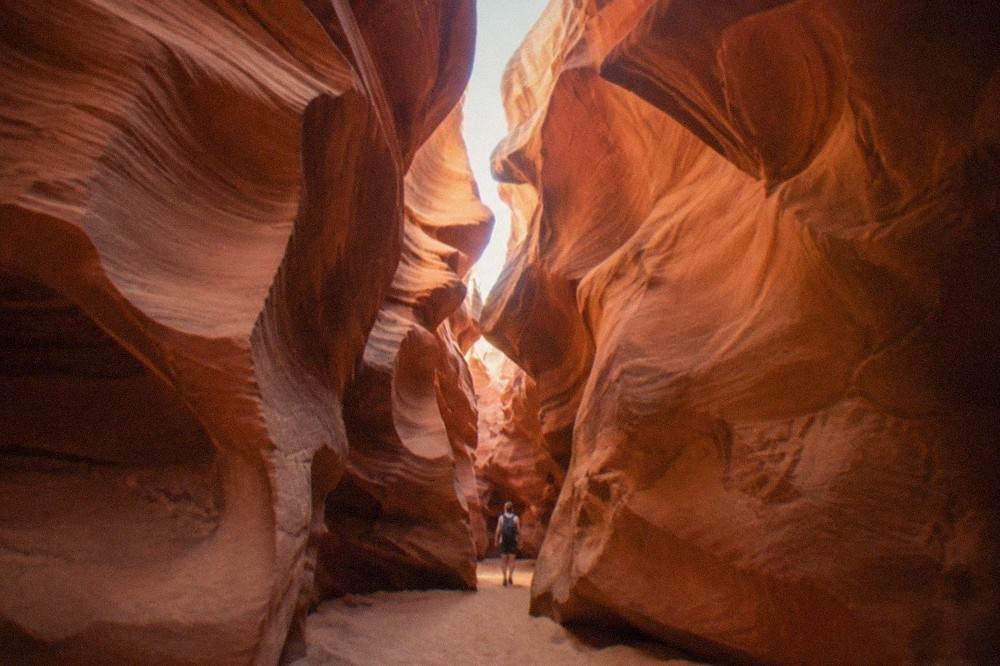
For a fuller picture of the two canyons and how they differ, our Upper vs Lower Antelope Canyon comparison breaks down the terrain, the crowds and the photo conditions in each.
Why Upper Antelope Canyon Sells Out First?
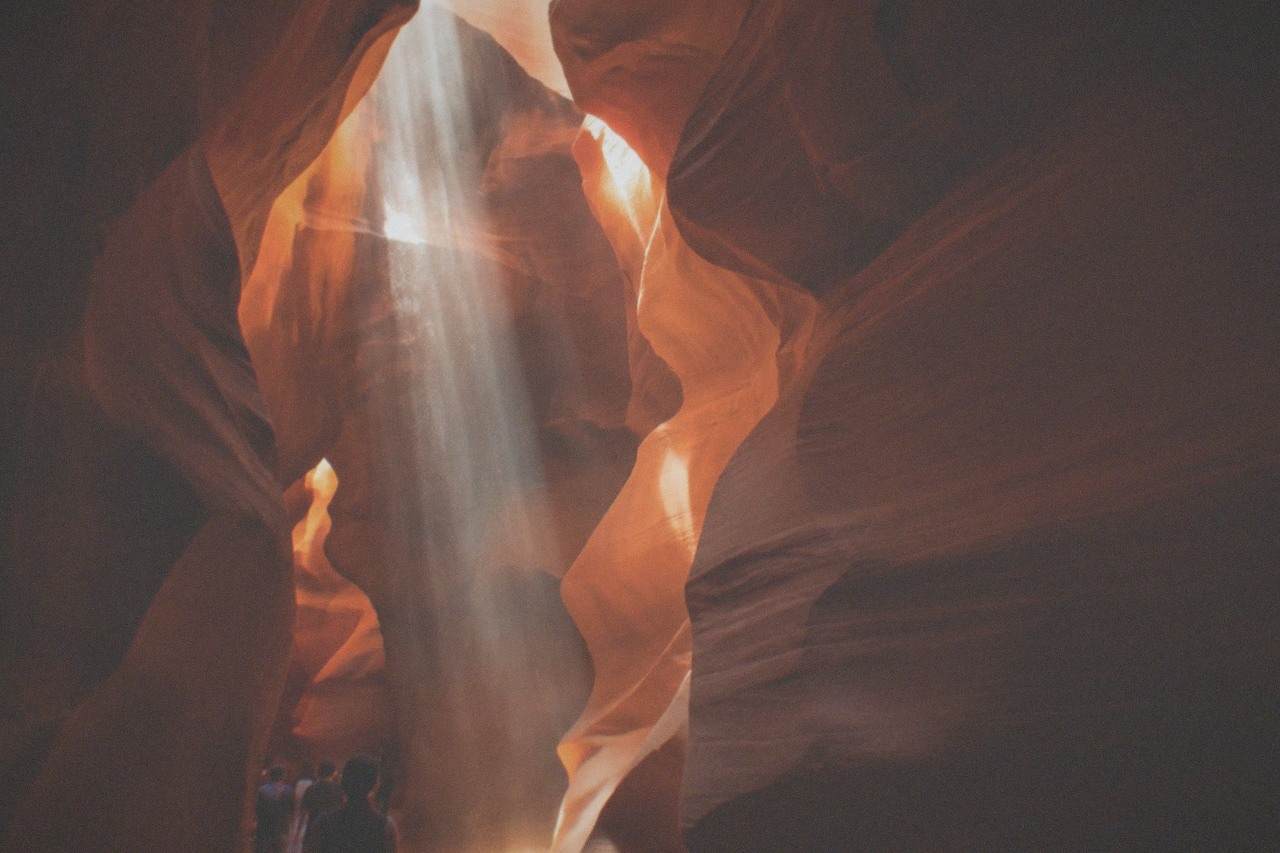
Upper Antelope Canyon's light beams concentrate demand into a handful of midday hours, and the canyon's permitted capacity per hour is fixed. Everyone wants roughly the same two-hour window, so those slots clear first, while morning and afternoon entries stay available much longer. Summer is the crunch season, when international visitors and road-trippers compete for the same beams.
The physics is simple. The beams form when direct sunlight drops through gaps in the sandstone ceiling, which only happens when the sun sits high enough, and the effect peaks around midday. A visitor at 9 a.m. or 3 p.m. sees a beautiful glowing slot canyon but not the shafts of light that made the place famous. That funnels bookings into the 10 a.m. to 1 p.m. band, and the Navajo Nation caps how many people each permitted operator can walk through per hour.
Summer multiplies the pressure. School holidays, European vacation season and the Route 89 road-trip crowd all peak between June and August, which is why the booking window balloons from a few weeks to as much as six months for the best midday slots in July. If you are planning a summer visit and want the beam photo, treat the tour booking as the first thing you arrange, before the hotel and possibly before the flights.
Photography-specific tours tighten the squeeze further. Some operators run dedicated photo tours with smaller groups and time for tripod setup, and those carry even fewer seats per departure. A standard sightseeing slot at 11 a.m. might need six weeks of lead time in June, while the equivalent photo tour at the same hour might already be gone.
The three departures above are the roster's Phoenix-area Antelope Canyon day tours, and all three funnel into the same permit system. Booking any of them early is really booking your canyon entry early, wrapped in a seat on a van.
What Booking Windows Look Like By Season?
Spring and fall need two to six weeks for Upper Canyon midday slots and about a week for Lower. Summer needs three to six months for Upper light beams and two to four weeks for Lower. Winter is the quiet season, where a few days to two weeks usually suffices, though the beams themselves are absent until late March.
The seasonal pattern follows the sun. Beams begin appearing in late March, build through April and May, and hold through September before fading in early October. Demand tracks them, so the booking math changes month to month. The table below is a planning range drawn from how Page's tour inventory actually moves, not an operator promise: always check the live listing for the specific date you want.
| Season | Upper Antelope Canyon | Lower Antelope Canyon | Notes |
|---|---|---|---|
| March to May | 2 to 6 weeks for midday slots | 1 to 2 weeks | Beams return late March; spring break weeks book like summer |
| June to August | 3 to 6 months for light-beam slots | 2 to 4 weeks | Peak season; monsoon cancellation risk begins in July |
| September to October | 2 to 4 weeks | 1 to 2 weeks | Beams fade in early October; September still busy |
| November to February | A few days to 2 weeks | A few days | No beams; coldest and quietest period |
Two wrinkles deserve attention. First, spring break in mid-March behaves like a mini-summer, with families filling midweek slots that would otherwise be easy. Second, September stays surprisingly busy even as the beams weaken, because the temperatures are gentler and the monsoon is winding down, so do not treat early fall as a free pass.
Seasonality also interacts with the light beams themselves. Our guide to the best season for Antelope Canyon light beams goes deeper on when the beams appear and how the angle shifts through the year.
What Happens If You Book Too Late?
Late bookers usually end up with early-morning or late-afternoon Upper Canyon slots, a Lower Antelope Canyon departure, or no canyon at all on the exact day they wanted. Same-day tickets are occasionally possible in winter but are a gamble in summer. The fallback that preserves the trip is shifting the date, not the time.
The inventory that lingers is the inventory nobody wanted. A 7:30 a.m. Upper Canyon entry in July is a gorgeous walk through a glowing slot, but the beams will not be there, and the temperature at the rim is already climbing. Travelers who book late often accept those edges of the day and leave slightly disappointed, which is a shame when two extra weeks of planning would have secured the midday hour they came for.
Lower Antelope Canyon is the honest fallback. It is steeper and involves stairways, but it sees fewer people, its bookings move slower, and a late planner can often get in within a day or two of deciding. Some travelers end up preferring it, precisely because it is less crowded than the Upper's midday crush.
The worst outcome is arriving in Page without any booking at all. Because entry is guided-only with no exceptions, there is no walk-up option, no trailhead kiosk, no way to see the canyon on your own terms. The Navajo Nation's park authority maintains the official guidance on authorized Navajo-guided tour operators, and it is unambiguous on this point.
If your dates are locked, the From Scottsdale departure above is worth booking as soon as they are, since it runs 15 to 16 hours door to door and is flagged as likely to sell out. Free cancellation on the listing means an early booking is not a wager.
How Does Monsoon Season Affect A Booking?
From July through September, flash-flood warnings can cancel Antelope Canyon tours the same day, because the slot drains a wide wash system and water funnels in fast. Operators rerun or refund cancelled tours, but a last-minute rebooking may find the rest of the week already full. Build a buffer day into your trip if you visit in monsoon season.
Antelope Canyon is a drainage, not just a corridor. Its sculpted walls exist because water pours through it during desert storms, sometimes from rain that falls miles away and never touches Page itself. When the Navajo guides judge flood conditions possible, tours do not run, and no photograph is worth arguing with that call. The monsoon runs roughly July through September, and same-day cancellations are a known feature of those months.
The booking implication is subtle but real. A cancelled tour returns you to the open market on the day everyone else is also rebooking, so the replacement slot competes with existing demand. Travelers with a single hard date in August can find themselves stuck, while travelers with a spare day simply move to the next morning.
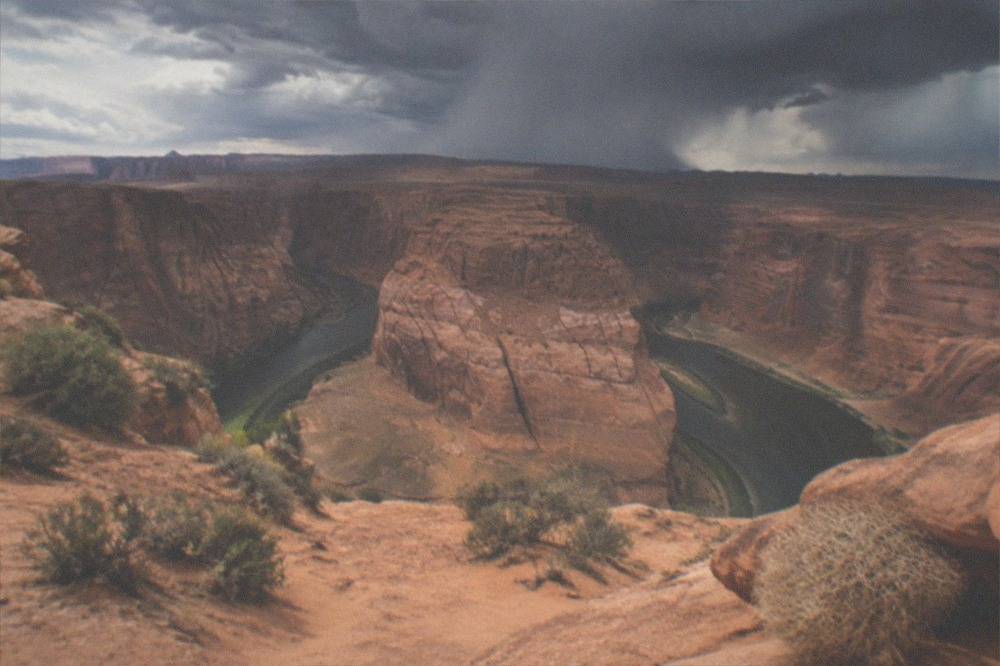
The practical advice is to treat a monsoon-season visit as a two-day plan for a one-day activity. Book your preferred day, keep the following morning open, and check the weather the evening before. This is also the season where the Antelope Canyon and Horseshoe Bend combo tour earns its keep: a combined itinerary is easier to shift as a unit than two separate bookings made with different operators.
The Horseshoe Bend and Antelope Canyon day tour from Phoenix handles the whole chain in one booking, and its reviews, 5.0 from 63 reviews, reflect a lot of smooth monsoon-season reruns. It departs Phoenix, runs about 14 hours, and starts from $375 per person, though it meets on site rather than offering hotel pickup, so check the meeting-point details before booking.
What Costs Sit On Top Of The Tour Price?
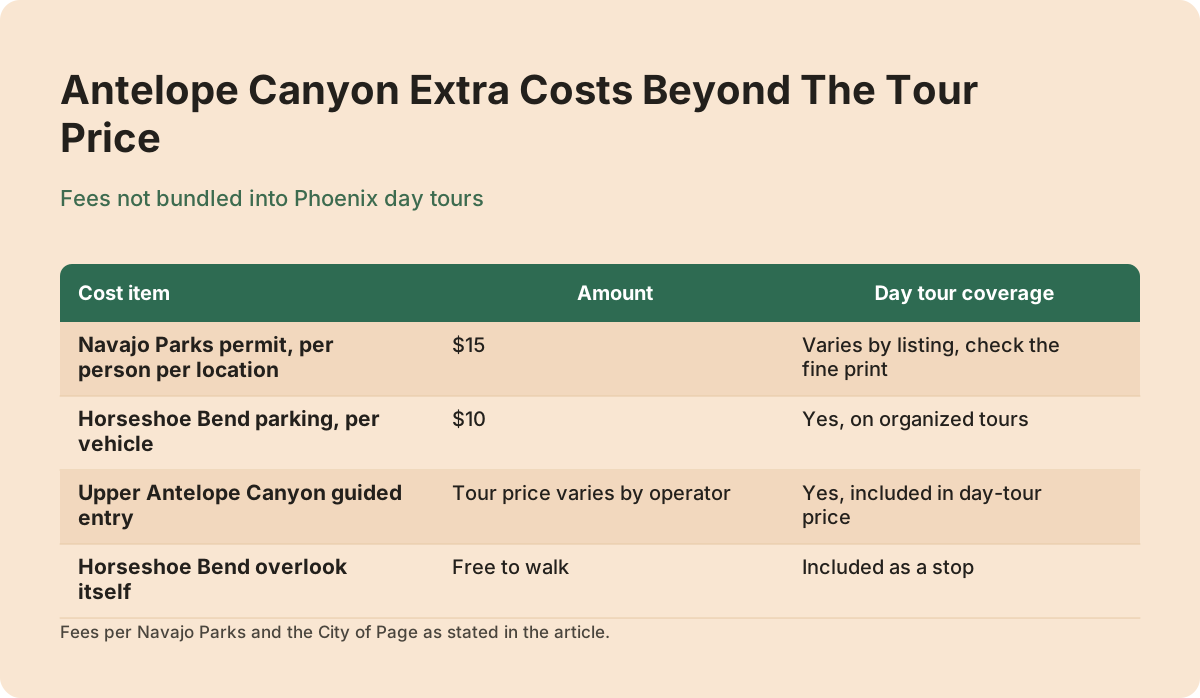
Every Antelope Canyon visitor pays a $15 per-person Navajo Parks permit fee on top of the tour operator's charge, and Horseshoe Bend parking costs $10 per vehicle in the city-run lot, where no national park pass is accepted. Budget both fees separately, because neither is bundled into the day-tour prices from Phoenix.
The permit fee is the one travelers most often miss. The Navajo Nation charges $15 per person per location per day for ages eight and up, collected separately from whatever the tour operator charges for the guide and transport. On a family of four, that is $60 of additional cost before anyone has parked a car. Some tour listings fold it in and some do not, so read the fine print on the listing before assuming the headline price is final.
Horseshoe Bend, the overlook most Antelope Canyon visitors pair with the canyon, is not a national park site at all. The City of Page runs the parking lot and charges $10 per passenger vehicle, with tiered commercial rates for tour vans, and no interagency pass is accepted because it is not federal land. The official Horseshoe Bend parking and fees page lists the current rates. On an organized day tour, the van's parking is covered by the operator, which is one quiet argument for the bundle.
| Cost item | Amount | Who collects it | Covered by day tours? |
|---|---|---|---|
| Navajo Parks permit, per person per location | $15 | Navajo Parks & Recreation | Varies by listing, check the fine print |
| Horseshoe Bend parking, per vehicle | $10 | City of Page | Yes, on organized tours |
| Upper Antelope Canyon guided entry | Tour price varies by operator | Permitted Navajo operators | Yes, included in day-tour price |
| Horseshoe Bend overlook itself | Free to walk | None | Included as a stop |
For a fuller cost breakdown including what a complete day from Phoenix adds up to, our Antelope Canyon tour cost guide runs the numbers end to end.
How Do The Phoenix Departures Compare?
The three Phoenix-area Antelope Canyon day tours run 13 to 16 hours, start between $351 and $390 per person, and hold ratings between 4.9 and 5.0. The main differences are departure point, hotel pickup, and whether the day includes Horseshoe Bend as a guided stop or a drive-by.
All three departures solve the same problem: the canyon is nearly five hours from Phoenix, so a day trip means an early start and a long ride home. The From Scottsdale departure runs 15 to 16 hours, carries a 4.9 rating from 42 reviews, starts from $351 per person, and offers hotel pickup, but it is flagged as likely to sell out, which fits everything above about canyon permits. The day adventure variant from Scottsdale or Phoenix runs 13 to 14 hours, holds 4.9 from 113 reviews, and starts from $390. The Phoenix-departure Horseshoe Bend and Antelope Canyon tour runs 14 hours, holds 5.0 from 63 reviews, starts from $375, and meets on site rather than offering pickup.
| Tour | Departs | Duration | Rating | From |
|---|---|---|---|---|
| From Scottsdale: Antelope Canyon & Horseshoe Bend Day Tour | Scottsdale | 15-16 hours | 4.9 from 42 reviews | $351 per person |
| Antelope Canyon and Horseshoe Bend Day Adventure | Scottsdale or Phoenix | 13-14 hours | 4.9 from 113 reviews | $390 per person |
| Horseshoe Bend and Antelope Canyon Day Tour from Phoenix | Phoenix | 14 hours | 5.0 from 63 reviews | $375 per person |
The choice among the three is mostly logistics. Scottsdale-based travelers get pickup on the first and second options; Phoenix travelers who prefer to meet the group directly have the third. The duration differences, one to three hours, come down to routing and how long the group lingers at Horseshoe Bend, so compare the itineraries on the live listings rather than the headline hours alone.
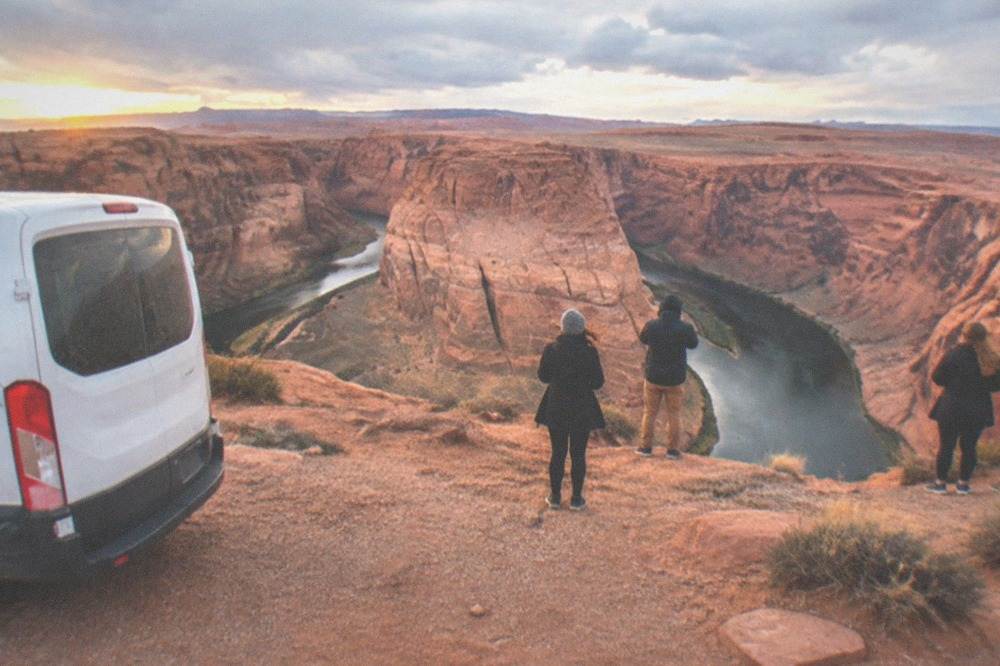
The Antelope Canyon and Horseshoe Bend Day Adventure is the middle path: it departs from Scottsdale or Phoenix, keeps the day to 13 or 14 hours, and its 113-review track record at 4.9 gives late bookers a sense of how reliably it runs. From $390 per person, it is the priciest of the three, and the extra comfort is what you are paying for.
Can You Book Last-Minute From Phoenix At All?
Last-minute is possible but only in the soft seasons, and only for Lower Antelope Canyon or off-peak Upper slots. In winter, a few days ahead can work; in summer, a last-minute Upper Antelope booking is close to zero. The day tours from Phoenix mirror the canyon's inventory, so their last-minute seats vanish with it.
Winter is the forgiving season. The beams are gone, the crowds are thinner, and Page's operators have open inventory most weekdays from November through February. A traveler deciding on Tuesday for a Thursday visit has real options, though holiday weeks in late December still tighten up.
Summer is the opposite. When the beams are at their best, the midday Upper slots are the most contested tour product in northern Arizona, and the Phoenix day tours that depend on them fill on the same schedule. A last-minute summer booking usually means accepting a Lower Canyon walk, an early-morning Upper entry, or a different day entirely.
The smart late-booker move is flexibility in the date, not the destination. If you can shift your Page day by 24 or 48 hours, the canyon usually can accommodate you somewhere in the week. If the date is immovable, book the moment you know it, whatever the season.
One more planning note for the drive itself: the route north from Phoenix runs through high desert where summer heat advisories are common, and the National Weather Service's Phoenix office uses a HeatRisk framework rather than a single temperature trigger for its warnings. Check the live forecast before any midday outdoor activity between June and September, and carry more water than feels reasonable. Road conditions on the route, including any monsoon closures, are posted at Arizona's 511 traveler information site.
For everything else about making this trip work from the Valley, our Antelope Canyon tour from Phoenix guide covers the full itinerary, and the site's Day Tours from Phoenix homepage rounds up every bookable departure by category.
Common Questions About Booking Antelope Canyon Tours
How far in advance should I book an Antelope Canyon tour?
Book Upper Antelope Canyon four to six weeks ahead, or three to six months ahead for summer light-beam slots. Lower Antelope Canyon usually needs only one to three weeks. Phoenix and Scottsdale day tours that include the canyon should be booked on the same schedule, because they reserve canyon entry through the same permit system.
Do Antelope Canyon tours sell out?
Yes, regularly. Midday Upper Antelope Canyon slots in the beam season sell out weeks to months ahead, and summer is the tightest period. The Phoenix-area day tours that include the canyon are flagged as likely to sell out for the same reason.
Can I visit Antelope Canyon without a tour?
No. Upper, Lower and Antelope Canyon X are all guided-only, with entry prohibited without an authorized Navajo guide. There is no walk-up or self-guided option under any circumstances.
Is the $15 Navajo permit fee included in tour prices?
It varies by listing. The Navajo Parks permit is $15 per person per location per day for ages eight and up, collected separately from the tour operator's charge. Some listings bundle it, some do not, so check the fine print before booking.
What happens if my tour is cancelled for flash floods?
Operators rerun or refund tours cancelled for flood risk, which can happen on short notice from July through September. The risk is that rebooking competes with existing demand, so keep a buffer day in your itinerary if you travel in monsoon season.
Is Lower Antelope Canyon easier to book than Upper?
Yes. Lower Antelope Canyon usually needs one to three weeks of lead time versus four to six weeks or more for Upper midday slots, and same-day availability is realistic outside peak summer weeks.