Is It Worth Doing Both Upper And Lower Antelope Canyon Tours?
An honest cost and time tradeoff: whether doing both Upper and Lower Antelope Canyon in one day is worth it, and which Phoenix day tour gets you closest.
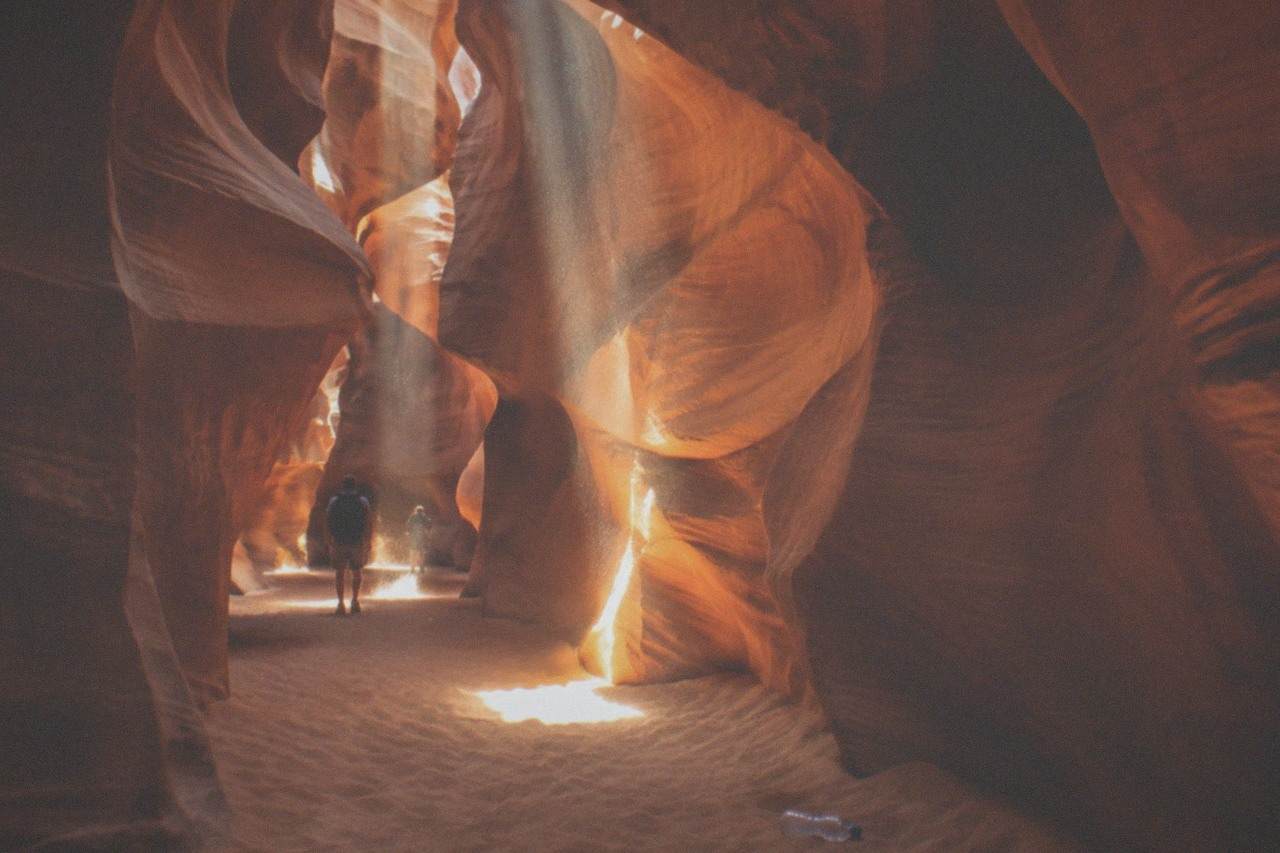
Antelope Canyon is not one canyon. It is two: Upper and Lower, separate slot canyons a short drive apart on the Navajo Nation near Page, and each one is a separate guided tour with its own permit, its own entry window, and its own character. Plenty of visitors ask whether they should do both in a single day, and the honest answer depends on your budget, your legs, and how much of your Arizona trip you are willing to hand to one destination.
There is a wrinkle worth stating up front: no tour on this site's roster books both the Upper and Lower sections on the same day. Every Antelope Canyon day tour from Phoenix or Scottsdale here visits one section, and most pair it with the Horseshoe Bend overlook, which is ten minutes down the road and needs no guiding at all. So the "both in one day" question is really a self-drive or split-stay question, and this page works through it honestly before routing you to the combo departures that exist.
Is It Worth Doing Both Upper And Lower Antelope Canyon Tours?
Doing both sections is worth it if you have the time, the budget and the stamina for two guided walks in one day, and many photographers consider the pair complementary rather than redundant. Upper delivers the famous light beams and the level, sandy floor; Lower delivers ladders, narrower squeezes and more texture per step. If your day is already a 14-hour round trip from Phoenix, one section plus Horseshoe Bend is the smarter call.
The two sections earn their reputations differently. Upper Antelope Canyon is the one on the posters: a flat, level walk through a slot where midday sunlight drops straight down as visible beams, especially from late March through early October when the sun climbs high enough. The floor is sand, there are no ladders, and the walk is gentle enough that it suits most fitness levels. That combination is exactly why Upper books out first.
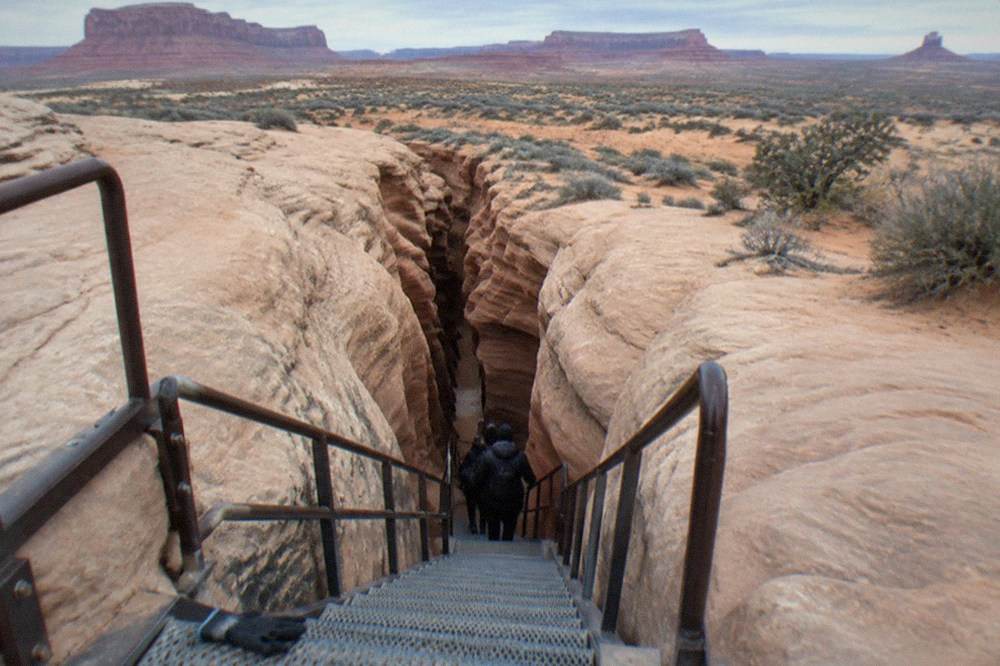
Lower Antelope Canyon is the more physical half. You descend metal staircases into the slot, squeeze through tighter passages, and climb back out at the end. What you get in exchange is a longer route through more varied rock, and because fewer tours stack up here, the pace tends to feel less conveyor-belted. Many people who do both say Lower surprised them more, while Upper gave them the photograph they came for.
The redundancy question is fair, though. Both canyons are the same Navajo sandstone carved by the same flash-flood processes, and if you are a casual visitor with one slot-canyon itch to scratch, the second tour will feel like a variation on the first. The travelers who get the most out of doubling up are photographers, canyon enthusiasts, and anyone staying overnight in Page with a free afternoon. If you are arriving from Phoenix at dawn and leaving at dusk, one section is plenty.
The three departures above are the realistic Phoenix-area options for an Antelope Canyon day, and each pairs the canyon with Horseshoe Bend rather than with a second canyon section. That is the honest shape of the market from this city: the drive is roughly 275 miles each way, about four and a half to five hours, so the tour day is already 13 to 16 hours long before you add a second guided walk.
What Is The Difference Between Upper And Lower Antelope Canyon?
Upper Antelope Canyon is flat, ladder-free and famous for midday light beams, and it costs more with tighter advance booking; Lower Antelope Canyon involves staircases and narrower passages, usually prices a little lower, and books with more flexibility. Both are guided-only, with a $15 per-person Navajo Parks permit fee on top of the tour price, per location per day.
The guided-only rule is absolute. Upper, Lower and Antelope Canyon X are all accessible only through an authorized Navajo-guided tour, and unguided entry is prohibited, which is why every product in this category is built around a guide. The Navajo Nation Parks permit structure is separate from the operator's charge: budget $15 per person per location per day, ages 8 and up, on top of whatever the tour itself costs.
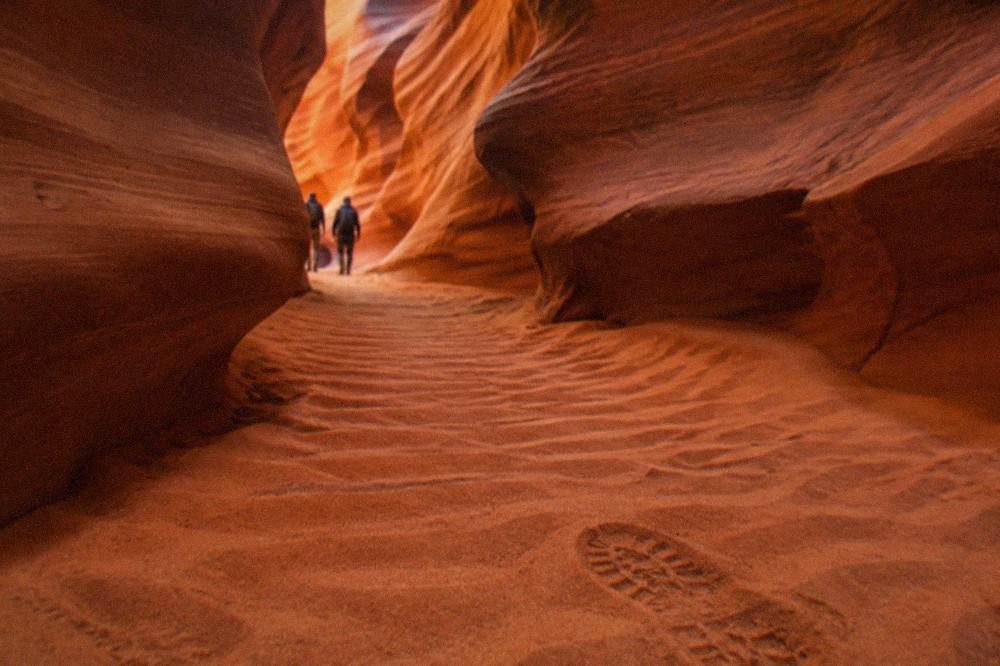
Booking windows differ sharply between the sections, and this matters more than most planning advice admits. Upper's light-beam slots, the midday windows everyone wants, are often booked four to six weeks out, and in summer three to six months out. Lower is more flexible, with one to three weeks of advance notice usually enough. If you are deciding late in the game, Lower may make the decision for you.
The physical demands are the other big split. Upper is a ground-level walk in and out along the same sandy corridor, suitable for small children and anyone unsteady on their feet. Lower drops you down staircases into the slot and brings you back up the same way, with some passages you have to angle your shoulders through. Neither is a hike in the trail-boot sense, but Lower asks more of your knees and your patience with tight spaces.
Photographically the sections point at different subjects. Upper's beams are the headline, and guides will even throw sand into the light to make the beams visible for cameras. Lower's appeal is the swirl of the walls themselves, the ribbed texture, and the way light bounces and glows rather than falling in shafts. A photographer doing both gets two different portfolios; a phone photographer gets two very nice sets of orange walls.
If the two-section plan feels like too much, the question becomes which single section to book, and the combo tour above is the most common way visitors from Phoenix solve it: one guided canyon walk, the Horseshoe Bend overlook, and a long but complete day. Free cancellation is offered on the live listing, so you can lock the date early and adjust if your plans shift.
How Much Time And Money Do Both Tours Take?
Two Antelope Canyon walks in one day typically means two separate tour bookings, two $15 per-person permit fees, and around two to three hours of guided time in the canyons, plus the hours between tours in Page. From Phoenix, add a nine-to-ten-hour driving day on top, which is why most people who do both stay overnight in Page rather than day-tripping it.
Here is the honest budget picture for doubling up. The canyon tours themselves are booked directly with Page-area operators, and prices vary by section, time slot and season; the figures below are planning ranges, so check the operator's live listing for the day you want. What is fixed is the permit: $15 per person per location, so doing both sections means paying it twice.
| Cost Item | Upper Antelope Canyon | Lower Antelope Canyon | Both In One Day |
|---|---|---|---|
| Guided tour price | Set by the operator, check the live listing | Usually a little lower than Upper, check the live listing | Two separate bookings |
| Navajo Parks permit | $15 per person | $15 per person | $30 per person total |
| Typical guided time in the slot | Roughly 1 to 1.5 hours | Roughly 1 to 1.5 hours | Around 2 to 3 hours |
| Physical demand | Flat, sandy floor, no ladders | Staircases in and out, tighter passages | Cumulative fatigue is real |
| Advance booking needed | Often 4-6+ weeks, 3-6 months in summer | Usually 1-3 weeks | Book Upper first, then fit Lower around it |
The timing trap is the part first-time visitors miss. Upper's light beams only happen near midday, so Upper tours cluster between late morning and early afternoon. If your Upper tour ends at 1:00 pm and your Lower tour starts at 2:30 pm, the day works. If the only Upper slot left is 11:30 am and Lower is sold out until 4:00 pm, you are killing two and a half hours in Page, which is a small town with a lake and not much else in the afternoon heat.
From Phoenix, the drive makes a two-canyon day genuinely hard. It is roughly 275 miles each way, four and a half to five hours of driving each direction, so a self-drive two-canyon day means leaving around 5:00 am and getting back near midnight. It is doable, and people do it, but the overnight-in-Page version turns the same plan into a relaxed morning and a second night's hotel bill instead of a brutal road day.
One more planning note for the monsoon months: July through September, same-day flash-flood cancellations are possible at both sections, and the canyon closes when water is anywhere upstream. If you have booked both sections back to back, a morning storm can wipe out the whole plan. Splitting the two across two days, or accepting that one may cancel, is the realistic mindset.
Which One Should You Choose If You Only Do One?
Choose Upper if the light beams are the reason you are going, if you want the flat, accessible walk, or if you are traveling with anyone unsteady on stairs; choose Lower if you want the more adventurous passage, an easier booking window, or the lower price point. Most first-time visitors from Phoenix pick whichever section their day tour includes and add Horseshoe Bend, and that is a sound plan.
The accessibility argument settles it for a lot of families. Upper's floor is level sand the whole way, so strollers aside, almost everyone can manage it. Lower's staircases are metal and well maintained, but they are stairs, and there are several sets. If your group includes grandparents, very young kids, or anyone with knee or claustrophobia concerns, Upper is the safer pick, and the beams are the famous ones anyway.
The photographer's argument runs the other way. Serious shooters often prefer Lower for its texture, its longer route, and the smaller crowds, and they accept the stairs as the price of the shots. Upper's beams are spectacular but heavily photographed, and the midday tour windows mean you are standing in a queue of tripods. If you have already seen beam photos a thousand times, Lower will show you something fresher.
For the timing argument, look at your calendar. If you are booking inside a month of travel, Upper's prime slots may already be gone while Lower still has room. The reverse is rare. A late decider who insists on Upper in summer may find nothing left but early-morning or late-afternoon windows, and those windows have no beams, which strips Upper of its whole advantage over Lower.
If you genuinely cannot choose and your trip has an overnight in Page, do Upper at midday and Lower the following morning. The two-day version costs one extra hotel night, removes the flash-flood double-loss risk, and lets you enjoy each canyon instead of surviving them. That is the version this site would recommend to anyone whose itinerary can absorb it.
Can You Book A Phoenix Day Tour That Covers Both Sections?
No tour on this roster books both Upper and Lower Antelope Canyon on the same day; every Phoenix and Scottsdale departure visits one section and pairs it with the Horseshoe Bend overlook. The closest thing to a double-up from Phoenix is a combo tour that stacks a guided canyon walk with Horseshoe Bend, which is self-guided, free to walk, and ten minutes from the canyon entrance.
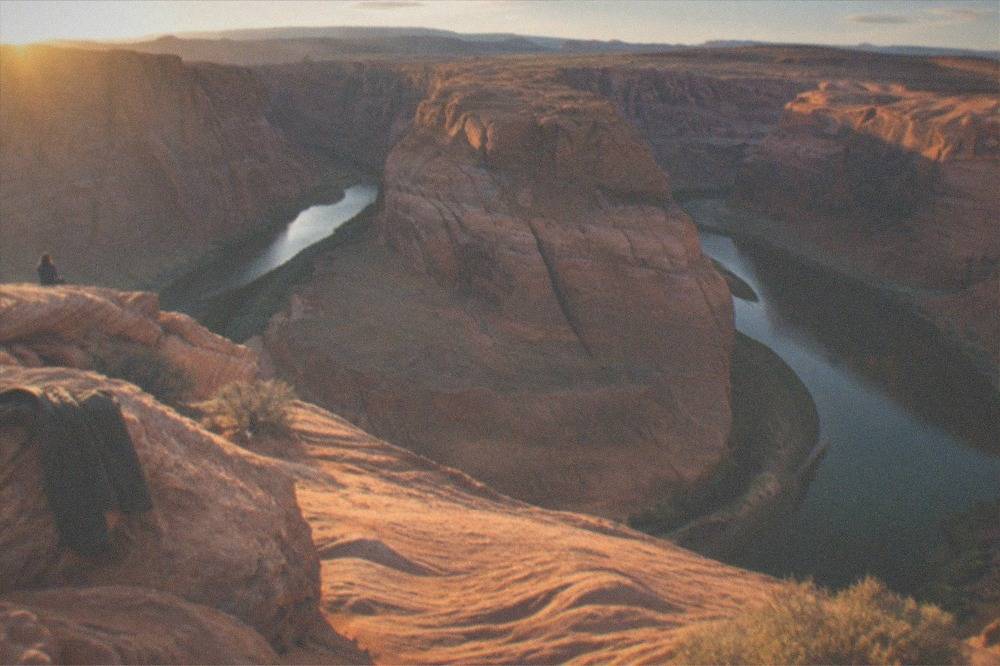
Horseshoe Bend deserves more credit than it gets as the second half of a combo day. The overlook is a 1.5-mile round-trip walk from the parking lot, no guide required, and the view of the Colorado River's 270-degree curve is one of the most recognizable in Arizona. Parking is $10 per vehicle in the City of Page lot, and no national park pass is accepted because it is a city-run lot, not an NPS site.
The Antelope Canyon and Horseshoe Bend Day Adventure is the busiest of the roster's combo departures: 13 to 14 hours from Scottsdale or Phoenix, rated 4.9 from 113 reviews, from $390 per person, with hotel pickup offered. It is the tour most visitors mean when they say they want "the full Antelope Canyon day," and it delivers one canyon section plus the bend in a single, long, well-run block.
The From Scottsdale departure runs 15 to 16 hours and is flagged as likely to sell out, from $351 per person, rated 4.9 from 42 reviews. The Horseshoe Bend and Antelope Canyon Day Tour from Phoenix runs about 14 hours at from $375 per person, rated 5.0 from 63 reviews, but note it has no hotel pickup: you meet on site. All three are the honest answer to "both in one day" as the market actually sells it from this city.
If you want the two-canyon version badly, the self-drive or overnight route is the way: book Upper directly for a midday slot, book Lower for the same afternoon or the next morning, and treat the drive as part of the trip rather than a commute. Our Antelope Canyon tour planning guide covers the drive, the permits and the booking windows in more detail, and the Upper versus Lower comparison guide goes deeper on the section choice than this page does.
One more thing worth knowing while you are in Page: Lake Powell hit record-low water levels around 3,517 feet in September 2026 after years of drought, which has changed the shoreline scenery and moved some marina access. It does not affect the canyon tours, but if you are adding a lake stop to your overnight, check current conditions rather than trusting older photos.
For travelers weighing the whole category, Day Tours from Phoenix covers every Antelope Canyon departure on the roster with prices, durations and pickup details side by side, so you can see exactly what each long day includes before committing to one.
Common Questions About Upper And Lower Antelope Canyon Tours
Is It Worth Doing Both Upper And Lower Antelope Canyon Tours?
It is worth it if you are staying overnight in Page or you are a canyon enthusiast or photographer, because the two sections offer genuinely different walks. It is not worth it as a day trip from Phoenix squeezed into one day; the drive is roughly 275 miles each way, so one section plus Horseshoe Bend is the better use of a single day.
Can I Visit Antelope Canyon Without A Guide?
No. Upper, Lower and Antelope Canyon X are all guided-only, with entry prohibited outside an authorized Navajo-guided tour. Every visitor also pays a $15 per-person Navajo Parks permit fee per location per day, on top of the tour operator's own charge.
Which Section Is Better For The Light Beams?
Upper Antelope Canyon. The beams form when sunlight drops vertically into the slot, which happens near midday from roughly late March through early October. That is why Upper's midday slots book out first, often four to six weeks ahead, and three to six months ahead in summer.
Which Section Is Easier To Walk?
Upper. It has a flat, sandy floor with no ladders, so it suits most ages and fitness levels. Lower requires descending and climbing metal staircases and squeezing through some narrower passages, which is fine for most adults but harder for small children and anyone unsteady on their feet.
Can I Do Both Sections And Horseshoe Bend In One Day?
Only if you are staying in or near Page. Two guided canyon walks plus the Horseshoe Bend overlook is a full but manageable Page-based day. From Phoenix, no roster tour books both sections; the combo departures pair one canyon section with Horseshoe Bend, which is a short self-guided walk with $10 per-vehicle parking.
What Happens If It Rains On My Tour Day?
Antelope Canyon can close on short notice for flash-flood risk, which is most common during monsoon season, July through September. If you have booked both sections back to back, a single storm can cancel the whole day, which is one reason splitting the two across two days is the safer plan.