Is Phoenix Worth Visiting
Phoenix is a base, not the draw. Here is the honest case for and against visiting, plus the day trips that make the city worth flying into.
Short answer
Yes, if you treat Phoenix as a launch pad. The city itself offers desert hikes, resort pools and good food, but the headline reasons to come are the Grand Canyon, Sedona, Antelope Canyon and Tombstone, all reachable on day tours of roughly 8 to 16 hours from downtown.
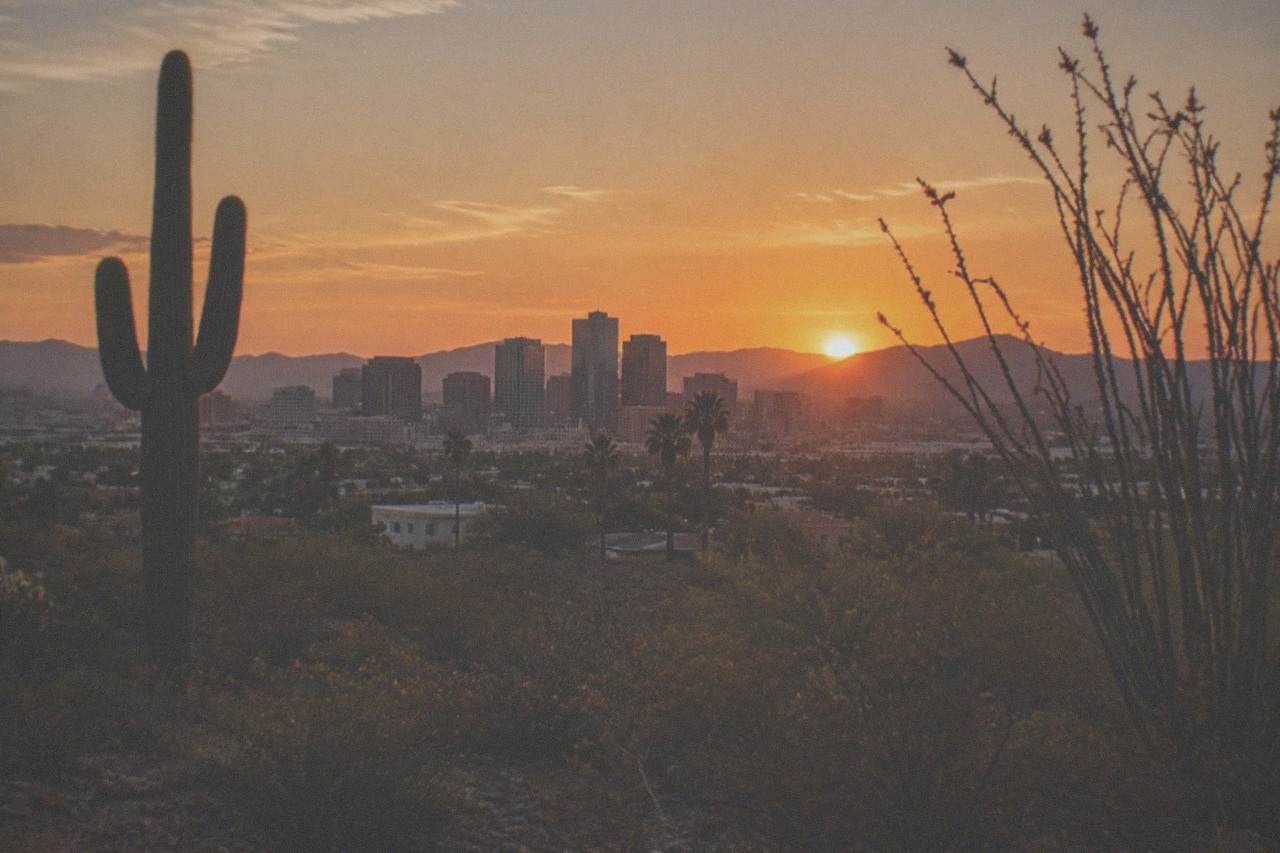
Grand Canyon National Park recorded roughly 4.43 million visits in 2025, down from about 4.92 million the year before, and a large share of those trips began in the same place: a hotel room in Phoenix. That is the honest starting point for this question. Phoenix is a genuinely pleasant place to stay, with desert light, good restaurants and mountains inside the city limits, but almost nobody flies in for the city alone. They fly in because Phoenix sits within a single day's drive of some of the most photographed landscape in the United States.
This page makes the case plainly. Phoenix is worth visiting if you use it as a base, and a weak destination if you treat it as the destination. Everything below explains both halves of that verdict, with real drive times, real entry fees and the specific departures on this site's roster that make the math work. Where a number appears, it comes from verified listing data or official park sources rather than a brochure, and where the honest answer is "skip it," the page says that too.
Is Phoenix Worth Visiting On Its Own?
On its own, Phoenix is a good weekend city rather than a bucket-list one. It has real strengths: hiking inside the city, resort culture, a strong food scene and dependable winter sun. But its marquee sights are regional, and travellers who spend a full week inside city limits usually wish they had booked at least one day tour out.
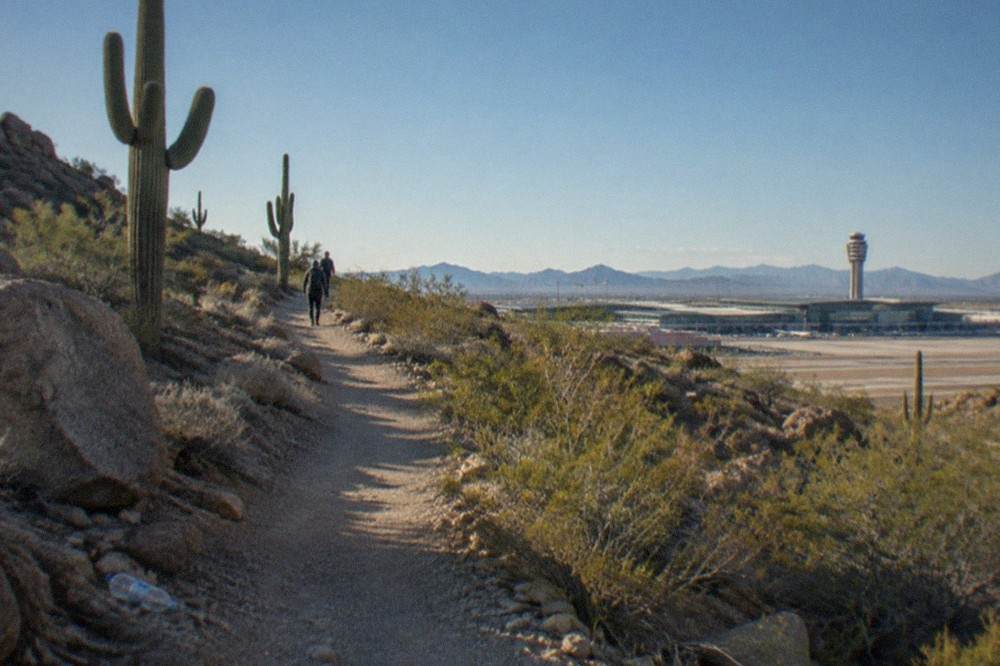
The city's own assets are better than its reputation suggests. Camelback Mountain and Piestewa Peak put genuine summit hikes within a short drive of most resorts, and the Phoenix Mountains Preserve threads a network of trails through the middle of the metro area. The Desert Botanical Garden is one of the best places in the country to understand arid-region plants, and the sunset light through its cactus forest is a Phoenix signature. Old Town Scottsdale, the Heard Museum's Native American collections and a fast-growing restaurant scene round out a comfortable three or four days.
The catch is scale. Phoenix is enormous, a low-rise sprawl that spreads across a whole valley, and it is not a walkable European-style city you can cover on foot. Attractions are scattered, summer heat pushes everything toward early mornings and evenings, and the things people photograph and post, the red rocks, the canyon, the slot canyons, are all hours away. A traveller who arrives expecting Sedona will be disappointed; a traveller who arrives expecting a comfortable base with good pools will not be.
That distinction matters more than any single attraction. We compared the itineraries travellers actually book from this city, and the pattern is consistent: the longer the stay, the more of it happens outside Phoenix. A weekend visitor can happily fill two days in town. A week-long visitor who never leaves the valley will usually run out of things to do around day four, which is exactly when the day tour calendars start looking attractive.
That is also why we suggest reading our guide to what Phoenix is actually known for before booking anything. It separates the city's real identity from the regional highlights people so often misattribute to it.
What Does Phoenix Itself Offer Within City Limits?
Inside the city, Phoenix delivers desert hiking, botanical gardens, museums, spring training baseball and a strong resort and dining scene, most of it a short drive apart. For a two or three day city break, that is plenty. Beyond that, the itinerary thins out and the day trips start calling.
The table below is the honest shortlist of in-city highlights, with the planning notes that actually matter. Nothing here requires a tour operator; all of it works with a rental car or a rideshare.
| In-city highlight | What it is | Planning notes |
|---|---|---|
| Camelback Mountain | Steep summit hike on the city's most recognizable peak | Go at sunrise in warm months, bring more water than feels reasonable |
| Desert Botanical Garden | Cactus forest and desert plant trails | Allow a half day, best in golden hour light |
| Papago Park / Hole in the Rock | Easy red-rock formations near the zoo | Free, family-friendly, short walks |
| Old Town Scottsdale | Galleries, restaurants, western history | Best in the evening |
| Heard Museum | Native American art and culture | Central Phoenix, half-day visit |
| South Mountain Park | Vast urban park with drivable overlooks | Good sunset option close to downtown |
Two things make the in-city experience better than expected. First, the desert is genuinely inside the city, not beside it, so a sunrise hike and a proper breakfast can both happen before a late museum opening. Second, the resort infrastructure is excellent, because Phoenix hosts conventions and spring training every year, which keeps hotel and restaurant quality high across price levels, including in the cheaper stretches of the season.
The food scene deserves a specific mention, because it is the part of the city that most surprises first-time visitors. The metro area is a string of distinct neighborhoods rather than one downtown: central Phoenix carries the museums and the newer restaurants, Scottsdale has the resort dining and gallery streets, and the Sonoran-style Mexican food in between benefits from the region's direct line to Sonora. Eating well here takes no effort at all, which quietly raises the value of every day you spend in town.
Two in-city experiences on this site's roster also punch above their weight as bookends to a city day. A sunset jeep tour through Tonto National Forest, the Sonoran Desert Jeep Tour at Sunset, runs about 2 hours from Scottsdale from $155 per person and carries a 5.0 rating from 2,769 reviews, one of the deepest review pools on this entire roster. A sunrise balloon flight gets you over the desert before the heat builds. Both slot neatly into a day you would otherwise spend in town.
How Far Can You Actually Go On A Day Trip From Phoenix?
Phoenix sits within a day's reach of the Grand Canyon South Rim at roughly 225 miles, Sedona at about 115, Antelope Canyon and Horseshoe Bend near Page at about 275, and Tombstone at about 175. Every one of those is bookable as a guided day tour from the city, with door-to-door durations of roughly 8 to 16 hours.
That reach is the single strongest argument for flying into Phoenix rather than Las Vegas or Flagstaff. No other major airport in the region puts this many headline landscapes inside one day's driving radius, and the interstate corridors north and south are direct enough that a tour van can cover them without grinding through city traffic.
| Destination | Distance from Phoenix | Drive time | Typical tour duration |
|---|---|---|---|
| Sedona | ~115 miles | ~2 hours | 8-10 hours |
| Montezuma Castle | ~95 miles | ~1.5 hours | 8 hours |
| Grand Canyon South Rim | ~225 miles | 3.5-4 hours | 11-13 hours |
| Apache Trail / Tortilla Flat | ~55 miles | 1-1.5 hours | 8-9 hours |
| Tombstone | ~175 miles | 2.5-3 hours | 11-12 hours |
| Antelope Canyon / Horseshoe Bend | ~275 miles | 4.5-5+ hours | 13-16 hours |
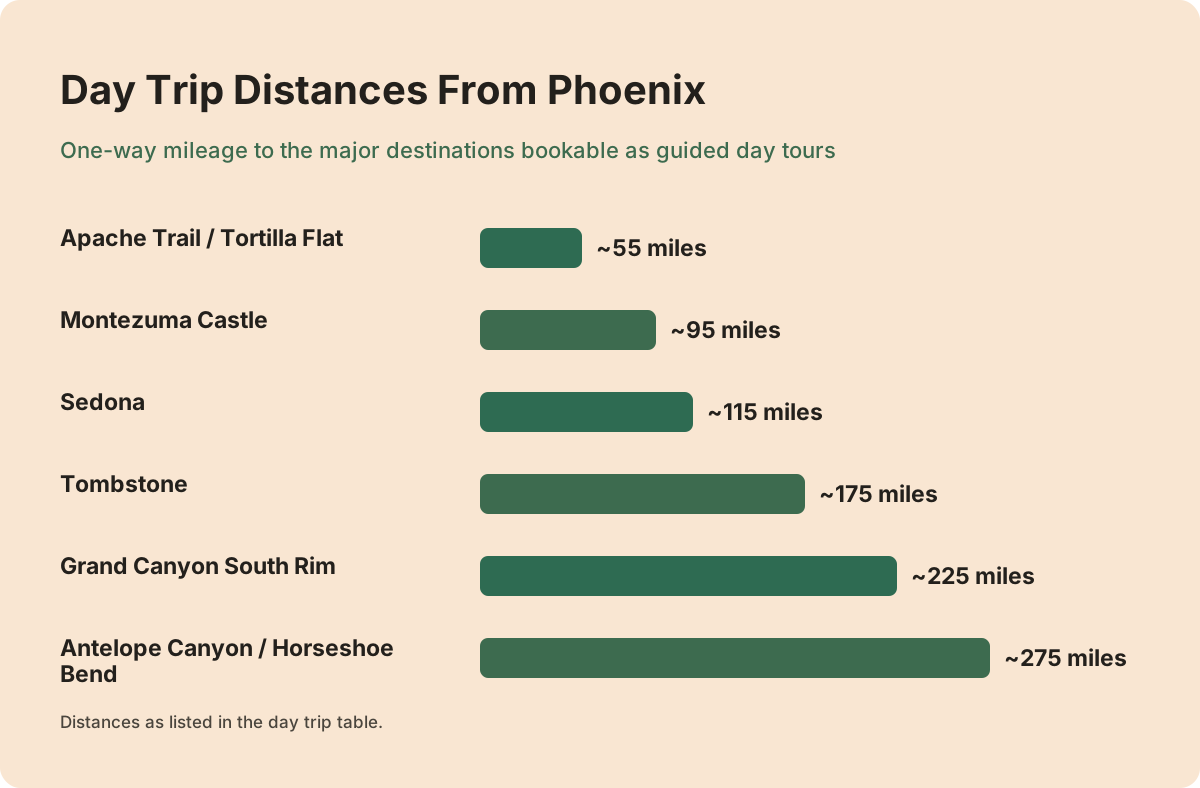
The distances explain the tour durations. A Grand Canyon day tour from Phoenix is genuinely a full day, roughly 11 to 13 hours including pickup, because the operator is covering the roughly 225-mile drive in each direction along with stops in Sedona or Oak Creek Canyon. The Antelope Canyon runs are longer still, 13 to 16 hours, because Page sits near the Utah line. If those numbers sound punishing, remember what they buy: a Navajo-guided slot canyon and a Grand Canyon rim in a single day without you touching a steering wheel.
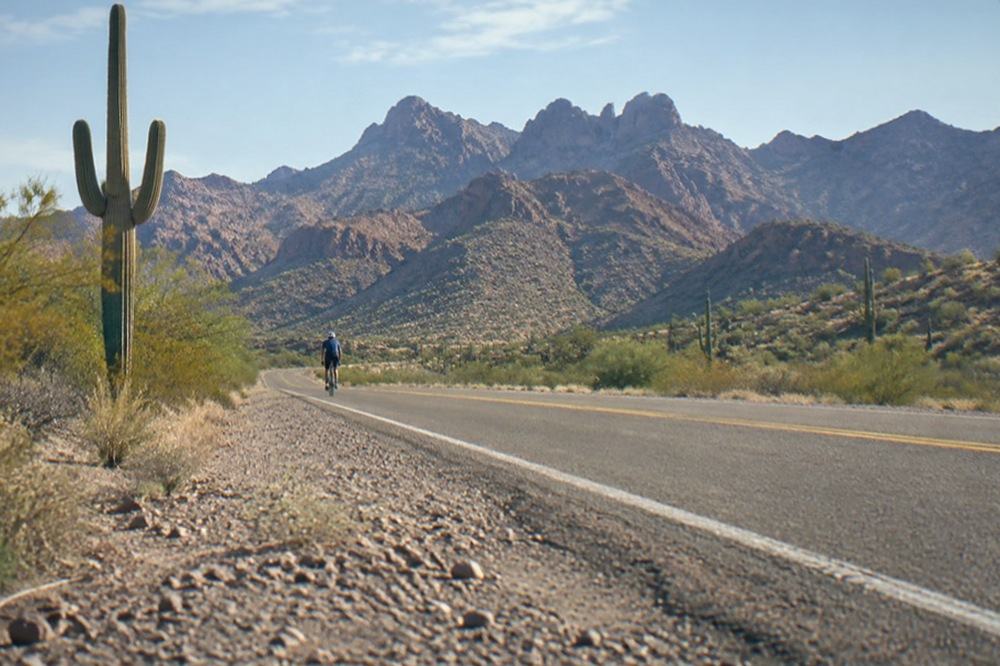
Logistics work in the guided traveller's favor here. Most of the full-day departures on this roster offer hotel pickup, which effectively extends the tour day but removes every planning decision: parking at trailheads, park entrance lines, fuel stops and the timing math that self-drivers have to do before dawn. Pickup windows are typically confirmed the day before, and the longest tours return to Phoenix between early and late evening depending on the season.
Entry fees are modest and separate from tour prices. Grand Canyon National Park charges $35 per private vehicle for a pass valid seven days at both rims, per the park's official fees page, and the South Rim is open around the clock, every day of the year, per the National Park Service hours page. Montezuma Castle National Monument is $10 per adult, covering both Montezuma Castle and Tuzigoot for seven days. Most guided tours bundle these into the ticket price, but it is worth checking the listing's inclusions before you assume.
Which Day Trips Make The Flight Worth It?
The trips that justify flying into Phoenix are the Grand Canyon, Sedona and Antelope Canyon, in that order of impact. The flagship combination departure, Grand Canyon with Sedona and Oak Creek, runs about 11 hours from Phoenix from $229 per person and carries a 4.8 rating from 566 reviews. It is the single best answer to this page's question.
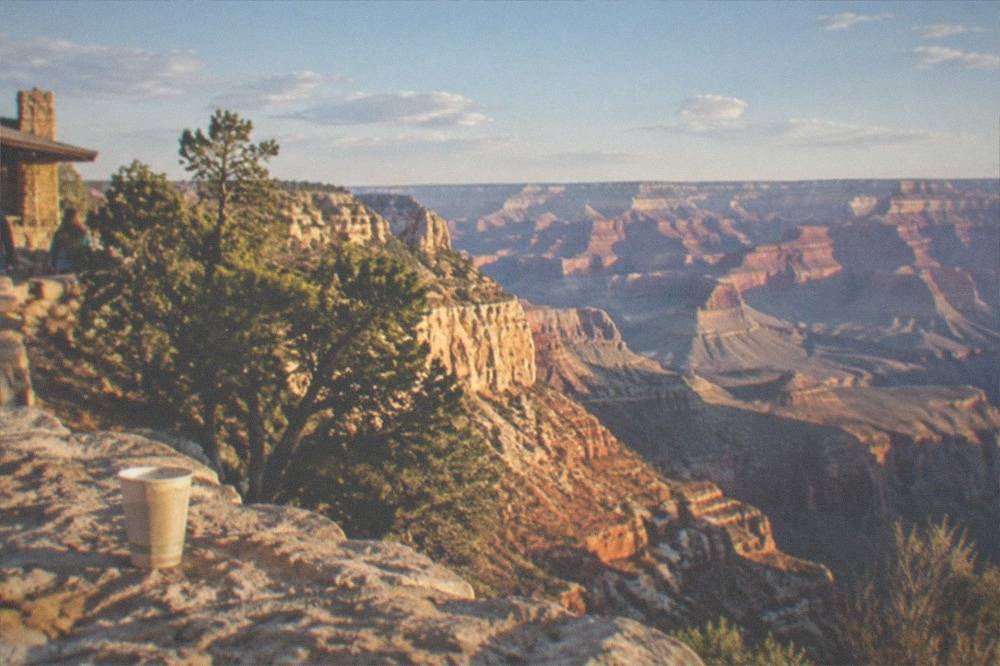
The Grand Canyon is the reason most people book Phoenix at all, and the combination tours are the most efficient way to see it. Rather than driving north yourself, the guided departures bundle hotel pickup, the rim, and a Sedona or Oak Creek Canyon stop into one ticket. The Check availability link beside our Grand Canyon tour from Phoenix guide shows live dates and current pricing, and this departure often sells out.
The value case is straightforward. At from $229 per person with a 4.8 rating across 566 reviews, the flagship covers a full day of transport, guiding and two destinations for less than many travellers spend on a single show ticket in Vegas. Small-group and private versions exist for those who want fewer fellow passengers, from $299 per person on the small-group national park departure, and the trade is mostly comfort rather than itinerary: the stops are similar, the day is the same length, the price climbs.
Sedona deserves its own mention because it is the one headline destination close enough to feel easy, about 115 miles and two hours from downtown. Red rock buttes, Oak Creek Canyon and a walkable uptown make it the best single-day trip for travellers who do not want one of the longest days on the roster. Our Sedona day trip guide covers the itineraries, and the Sedona, Jerome and Montezuma Castle day trip from $165 per person stacks three very different experiences, red rocks, a mining ghost town and a cliff dwelling, into a single departure.
Antelope Canyon is the furthest and most complicated of the three, and the rules explain the price. The canyon lies on Navajo Nation land and is guided-only with no exceptions; every visitor pays a $15 per-person Navajo Parks permit on top of the tour price, and Horseshoe Bend parking is $10 per vehicle at the city-run lot, with no national park pass accepted. Those are small numbers against a $375 tour ticket, but they surprise travellers who budget only the headline price. Booking windows matter too: upper canyon light-beam slots often sell out four to six weeks ahead, and longer in summer.
What About Balloons, Jeeps And The Desert Around Phoenix?
The Sonoran Desert experiences near the city are the best short tours on the roster. A sunrise balloon flight with bubbly and breakfast runs about 4 hours from $239 per person with a 4.8 rating from 2,164 reviews, and the sunset jeep tour runs 2 hours from $155 with a 5.0 rating from 2,769 reviews.
This is where Phoenix quietly beats its rivals. Las Vegas sells helicopters over the Strip; Phoenix sells sunrise balloons drifting over open desert, including a ride on the largest balloon in the USA, plus jeep and UTV routes through Tonto National Forest that operate under US Forest Service special-recreation permits. The experiences are short, so they complement rather than consume a day, and the safety picture is unremarkable in the good sense: no balloon or jeep-tour incidents surfaced in research for the Phoenix and Scottsdale area in 2026.
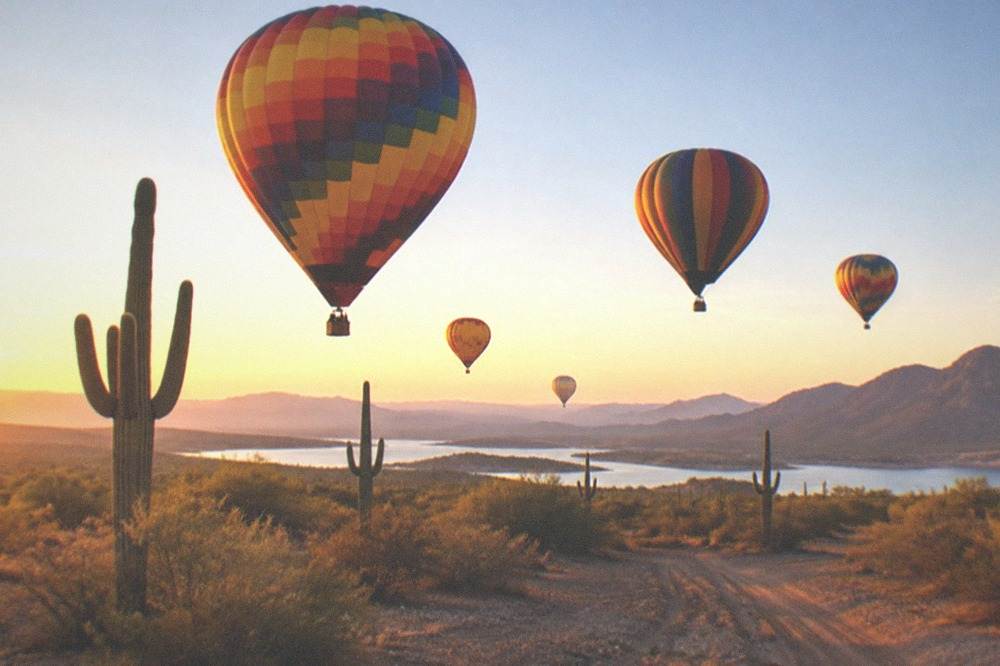
The morning balloon ride with bubbly and breakfast is the strongest of them. It pairs a dawn flight with a proper post-flight breakfast, and hotel pickup is offered, which matters when launch happens before sunrise. With 2,164 reviews behind its 4.8 rating, it is one of the most-reviewed products on this roster, and it often sells out, so early booking is wise.
The jeep and UTV side covers the other half of the day. Sunset jeep tours run about two to two-and-a-half hours from Scottsdale trailheads from $155 per person, with no hotel pickup, so you drive yourself to the meeting point. One pricing quirk worth knowing: the Sonoran Desert guided UTV or ATV tour is priced from $204 for the whole group, up to two people, not per person, which makes it one of the cheapest family activities on the roster once the group splits it.
Choosing between them is mostly a scheduling question. Balloons fly at dawn and end by mid-morning, which leaves the afternoon free for a pool or a museum. Jeeps run at sunset, which makes them the natural finish to a day that started with hiking or shopping. A traveller with two free half-days can sensibly do both, and the two experiences together cost less than a single full-day canyon tour.
When Is The Best Time To Visit Phoenix?
October through April is the honest answer. Phoenix summers are severe enough that the local National Weather Service office issues heat alerts on a HeatRisk framework rather than one fixed temperature trigger, factoring overnight lows and duration. Winter and spring are warm, dry and ideal for both the city and every day tour.
The season shapes the whole itinerary. In July or August, a Grand Canyon day tour can mean a pre-dawn pickup partly to beat the heat, and midday outdoor activity in Phoenix itself becomes inadvisable; the NWS Phoenix heat page is the source to check before any trip in the hot months, and the framework there is worth understanding because it weighs overnight lows and heat duration, not just the afternoon high. From late fall through early spring, the same itinerary is comfortable all day.
| Season | Phoenix feel | Day tour outlook |
|---|---|---|
| Oct-Nov | Warm days, cool evenings | Ideal for everything, including long canyon days |
| Dec-Feb | Mild, occasional cool mornings | Best hiking weather, shorter daylight for long tours |
| Mar-Apr | Warm, peak wildflower season | Peak season, book tours well ahead |
| May-Jun | Hot and dry before monsoon | Early starts essential |
| Jul-Sep | Severe heat, monsoon storms | Short tours only; flash-flood risk near slot canyons |
Monsoon season, roughly July through September, deserves a specific warning for one category: slot canyons. Antelope Canyon tours can be cancelled the same day when storms upstream send water through the washes, even if the sky over Page looks clear, and operators handle rebooking rather than leaving travellers stranded. That is not a reason to skip the canyon, but it is a reason to keep your final Phoenix day flexible rather than booking a flight home the same evening.
Shoulder-season timing also changes the economics. Spring is the peak: pleasant temperatures, spring training crowds and the fullest tour calendars, which is also when the sells-out warnings on this roster bite hardest. Late fall offers nearly the same weather with thinner crowds at the rim and on Sedona's trails, and winter brings the best hiking weather of all, at the cost of shorter daylight on the longest tours.
When Is Phoenix Not Worth Visiting?
Phoenix disappoints in three specific cases: midsummer trips planned around outdoor sightseeing, week-long stays with no car and no tours, and expectations of a walkable historic city. If your plan is a July visit spent outdoors, or a car-free week inside city limits, the honest answer is to pick a different destination or a different month.

The car-free point matters more than most guides admit. Phoenix's transit system exists, but the distances are long and the headline day trips are impossible without a vehicle unless you book a guided tour with pickup. Travellers who want to move independently should read our renting a car versus booking a tour comparison before deciding; the answer differs sharply between a Sedona day and an Antelope Canyon day, because one is an easy self-drive and the other is a punishing one.
The expectation gap is the other trap. Phoenix is not Santa Fe and not Sedona. Its architecture is modern sprawl, its historic districts are pockets rather than a core, and its beauty sits at the desert edges, not in the streetscapes. Arrive with that framing and the city over-delivers on food, resorts and trail access. Arrive expecting charm and you will spend the whole trip driving north.
Finally, summer. A July visit can still work: pools, early hikes, evening jeep tours and balloon flights at dawn are all built for the heat. But it works as a resort trip, not a sightseeing trip, and the long canyon days become a test of endurance rather than a pleasure. Anyone whose must-do list is entirely outdoors should shift the dates to October through April.
The Verdict: Book Phoenix For The Day Trips
Phoenix is worth visiting when you treat it as a base camp with excellent pools, and not worth it as a standalone sightseeing city. Three or four days in town plus two or three guided day tours, the Grand Canyon, Sedona and one desert experience, is the itinerary that gets the most out of the flight.
The pattern across every itinerary we compared is the same. The travellers who rate Phoenix highest are the ones who used the city for what it is: a comfortable, sunny base with an airport big enough to be cheap to reach, sitting at the center of a day-tour network that few American cities can match. That is the planning approach this entire Day Tours from Phoenix guide collection is built around.
The strongest single booking remains the flagship combination departure: Grand Canyon with Sedona and Oak Creek, about 11 hours door to door, from $229 per person, rated 4.8 from 566 reviews, with hotel pickup offered. It answers this page's question in one ticket, because it delivers the two landscapes people fly to Arizona for. Pair it with a balloon morning and a sunset jeep evening and you have used Phoenix exactly the way it works best.
Common Questions About Visiting Phoenix
Is Phoenix worth visiting without a car?
Only partially. The city itself is spread out and transit is limited, so a car or rideshare is needed for most in-city sights. For the headline day trips, guided tours with hotel pickup are the practical car-free option, and most full-day departures on this roster offer it.
How many days should I stay in Phoenix?
Three or four days covers the city well: hiking, the botanical garden, Scottsdale and a couple of good meals. Add one day tour for every headline landscape you want to see, so a Grand Canyon plus Sedona trip means roughly six or seven nights.
Is Phoenix too hot to visit in summer?
For sightseeing, usually yes. Summer heat in Phoenix is severe, and the local National Weather Service office uses a HeatRisk framework for its alerts rather than a single degree trigger, weighing overnight lows and how long the heat lasts. Summer works as a resort trip with early-morning and evening activities, and sunrise balloon flights still operate.
Is Phoenix or Las Vegas better for Grand Canyon tours?
Phoenix is better for the South Rim, which is roughly 225 miles away and open year round. Las Vegas is closer to the West Rim. For the classic, most-visited rim experience, Phoenix is the stronger base.
What is the single best day tour from Phoenix?
The Grand Canyon with Sedona and Oak Creek day tour. It runs about 11 hours from $229 per person, includes hotel pickup, and covers the two most famous landscapes in Arizona in one departure.